
Introduction
Teaching children and teenagers good oral hygiene habits from a young age sets the foundation for a lifetime of healthy smiles. Proper dental care prevents cavities, gum disease, and long-term dental issues, helping kids and teens grow up with strong teeth and confidence in their smiles.
At Shepherds Hill Dental Centre (SHDC), we focus on educating families in Blackwood, Belair, Marion, Flagstaff Hill, Aberfoyle Park, Cherry Gardens, Coromandel Valley, and Adelaide about the importance of oral health from childhood through the teenage years.
This guide covers age-appropriate dental habits, common challenges, and practical tips to make oral care engaging for kids and teens.
Why Early Oral Care Matters
Developing good habits early in life ensures long-term dental health. According to the Australian Dental Association (ADA):
- Tooth decay is the most common chronic disease in children (ADA, 2023).
- Kids who develop strong oral hygiene habits are less likely to need extensive dental treatments later in life.
- Establishing a dental routine early reduces dental anxiety and promotes lifelong visits to the dentist.
Turn brushing into an exciting part of their daily routine by using vibrant toothbrushes, fun toothpaste flavours, and a simple reward system.
Give them the freedom to choose their own dental care items, and set a strong example by maintaining good oral hygiene yourself.

Oral Care for Babies and Toddlers (0–3 Years)

Brushing and Cleaning Gums
- Gently wipe your baby’s gums with a damp, soft cloth before their first teeth come in.
- Begin brushing as soon as the first tooth appears using a soft-bristled infant toothbrush and water only.

First Dental Visit
- Schedule the first dental checkup by age two.
- Early visits help detect early dental issues and familiarize children with the dentist.

Avoiding Baby Bottle Decay
- Avoid letting babies fall asleep with bottles containing milk or juice.
- Encourage drinking water instead of sugary drinks.
Encouraging Healthy Oral Habits in Young Kids (4–10 Years)
Making Brushing Fun
- Use colorful toothbrushes featuring favorite characters.
- Set a two-minute timer or play a fun song while brushing.
- Introduce reward charts to encourage consistency.
- Encourage agency: let kids brush first, then ask if you can check .

Teaching Proper Brushing and Flossing Techniques
- Brush using gentle, circular motions to thoroughly clean all tooth surfaces
- Remind children to brush softly along the gumline to protect their gums while keeping them clean.
- Start flossing as soon as teeth touch.
- Children’s manual dexterity is limited – keep checking your kid’s night time brushing until 10 years old, or until they are brushing sufficiently. Each child is different!
- During checkups, our dental and hygiene team can give pointers on high risk areas they need to improve.

Nutrition and Oral Health
- Reduce sugary snacks and drinks to prevent cavities.
- Provide calcium-rich foods like dairy, leafy greens, and almonds to support strong teeth.

Importance of Regular Check Ups
- Visit the dentist every six months for checkups and cleanings.
- Fluoride treatments and dental sealants can provide additional protection against cavities.

Maintaining Good Oral Hygiene in Teens (11–18 Years)

Overcoming Brushing and Flossing Resistance
Teenagers often develop inconsistent brushing habits. To keep them engaged:
- Educate them on the link between oral health and fresh breath.
- Provide electric toothbrushes for easier brushing.
- Offer sugar-free gum with xylitol to help reduce plaque buildup.

Orthodontic Care and Hygiene
- Teens with braces or aligners must take extra care to clean around brackets and wires.
- Interdental brushes and water flossers help remove food debris in hard-to-reach areas.

The Impact of Diet and Lifestyle Choices
- Avoid energy drinks and sodas, which are highly acidic and contribute to enamel erosion.
- Encourage hydration with water instead of sugary beverages.
- Educate on the dangers of smoking and vaping, which stain teeth and cause gum disease.
Common Oral Health Challenges in Kids and Teens
Thumb-Sucking and Pacifier Use
- Extended thumb-sucking or pacifier use can affect jaw and tooth alignment.
- Encourage children to stop these habits by age three to avoid bite issues.

Tooth Sensitivity
- Sensitivity can result from brushing too hard, acidic foods, or orthodontic treatments.
- Use desensitizing toothpaste to alleviate discomfort

Sports and Dental Safety
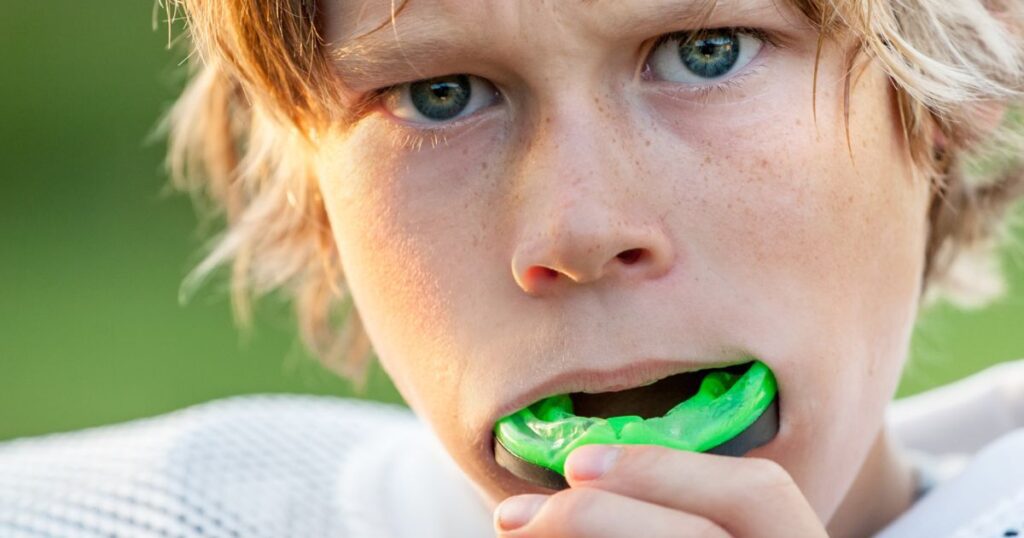
- Mouthguards are essential for kids and teens in contact sports.
- A custom-fitted mouthguard offers better protection than store-bought options.
How Parents Can Support Lifelong Oral Health

- Be a role model by demonstrating good oral hygiene habits.
- Set consistent brushing and flossing routines.
- Encourage regular dental checkups and discuss the importance of oral health.
- Limit access to sugary snacks and acidic beverages.
- Create a positive dental experience by making visits stress-free and informative.
Conclusion
Developing healthy oral habits in kids and teens is essential for preventing cavities, gum disease, and costly dental procedures later in life. By establishing a solid oral care routine, encouraging healthy eating, and visiting the dentist regularly, parents can set their children up for a lifetime of excellent oral health.
At Shepherds Hill Dental Centre, we are committed to providing comprehensive dental care for children, teens, and families in Blackwood, Belair, Marion, Flagstaff Hill, Aberfoyle Park, Cherry Gardens, Coromandel Valley, and Adelaide.
Call us todayto schedule a dental checkup for your child! Book an appointment online to start their journey to lifelong oral health.


